
Some dreams disappear before breakfast. Others leave a place, a face or a feeling that remains vivid long afterwards. A whole atmosphere can return with a single remembered detail, as though you have briefly stepped back inside the scene.

The feeling of a place
An inner landscape can carry more than its visible contents. A room may feel welcoming before you have looked around it. A stretch of water may bring a sense of freedom. A doorway may be memorable because of the anticipation you felt approaching it.
When describing such a scene, its emotional texture deserves as much space as its architecture. Was it familiar, spacious, intimate, strange? Were you observing it, moving through it or aware of several perspectives? These details help another person understand what made the experience distinctive.
Symbols have a personal history
A dog might suggest companionship to someone who grew up with a beloved pet, while bringing apprehension to someone who was badly bitten. The same image can touch very different memories. A dream symbol becomes more interesting when we explore its relationship with the person experiencing it.
You might begin with the part of the scene that held your attention. What did it remind you of? What feeling accompanied it? Sometimes an association arrives immediately; sometimes the meaning unfolds over several days. Returning to the image can be a conversation with your own inner life.
Awareness within the scene
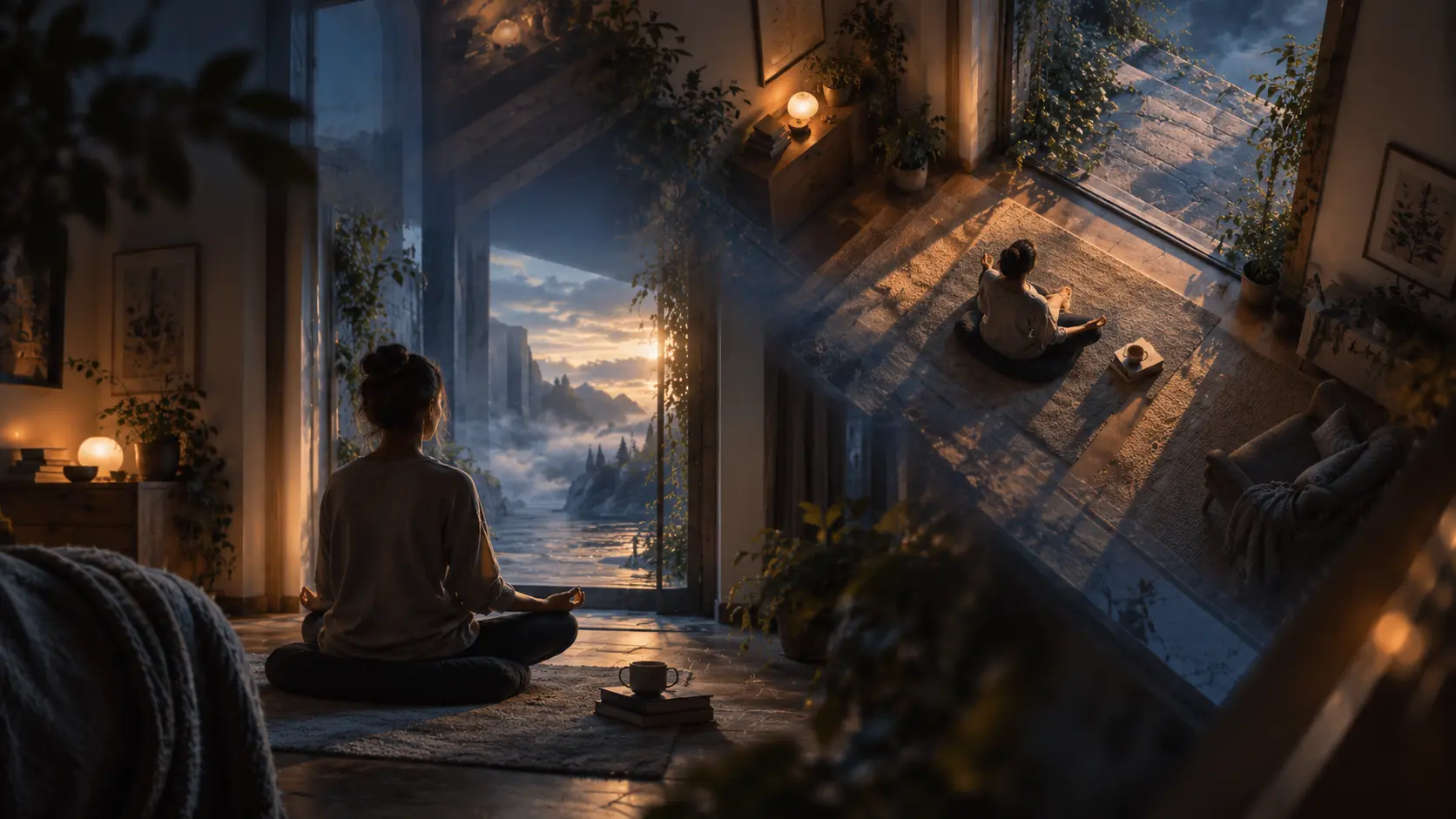
There is also the question of how you experienced yourself. Perhaps you seemed to have an ordinary body, or moved without thinking about one. Perhaps you knew you were dreaming, or recognised the setting only on waking. The point of view can be as memorable as the events.
This is one reason Andrew is interested in developing a language for experience. Words such as dream or vision offer a starting point; the account becomes much more vivid when it includes what it felt like to be there. An image, a sensation and a sudden understanding may all belong to the same moment.
Keep something of its colour
A few notes or a short voice recording can preserve an experience while it is fresh. Start with the striking detail, rather than trying to make the account tidy. A fragment such as “blue water, enormous peace, moving without effort” may retain more of the moment than a polished explanation written too soon.
Later, you can return to those fragments and see what still carries life. Over time, familiar places and themes may emerge. There is enjoyment in discovering the recurring imagery of your own inner world, much as you come to recognise the landscape around a home.
TO TAKE WITH YOU
An experience has its own colour, atmosphere and point of view. Give those qualities a place in the story, and the meaning has something living to grow from.


Worlds beyond.